
Why Is Recovery Important?
You already know the script by now, work hard, recover harder. Saying that "recover harder" can sound like a slogan until you break down what it actually buys you.
No we aren't just talking about tomorrow, but a decade from now, and every year after that.
Here's the truth most people don't think about until it's too late: training is a withdrawal. Recovery is the deposit. Skip the deposits long enough, and the account runs dry, whether that's next week or when you're 55.
Think about it this way if you look at Cristiano Ronaldo how do you think he is still able to play professional football at the ripe age of 41?
Is it because he neglects the things he needs to do after a tough training session of football match?
Absolutely not! He doesn't just prioritise what he eats, but he prioritises his recovery, which means he can still perform to his best even at the age is at.
Let's look at this in a bit more detail of what neglecting and prioritising your recovery will do for you in the short, mid and long term.

Right Now: The Short Term
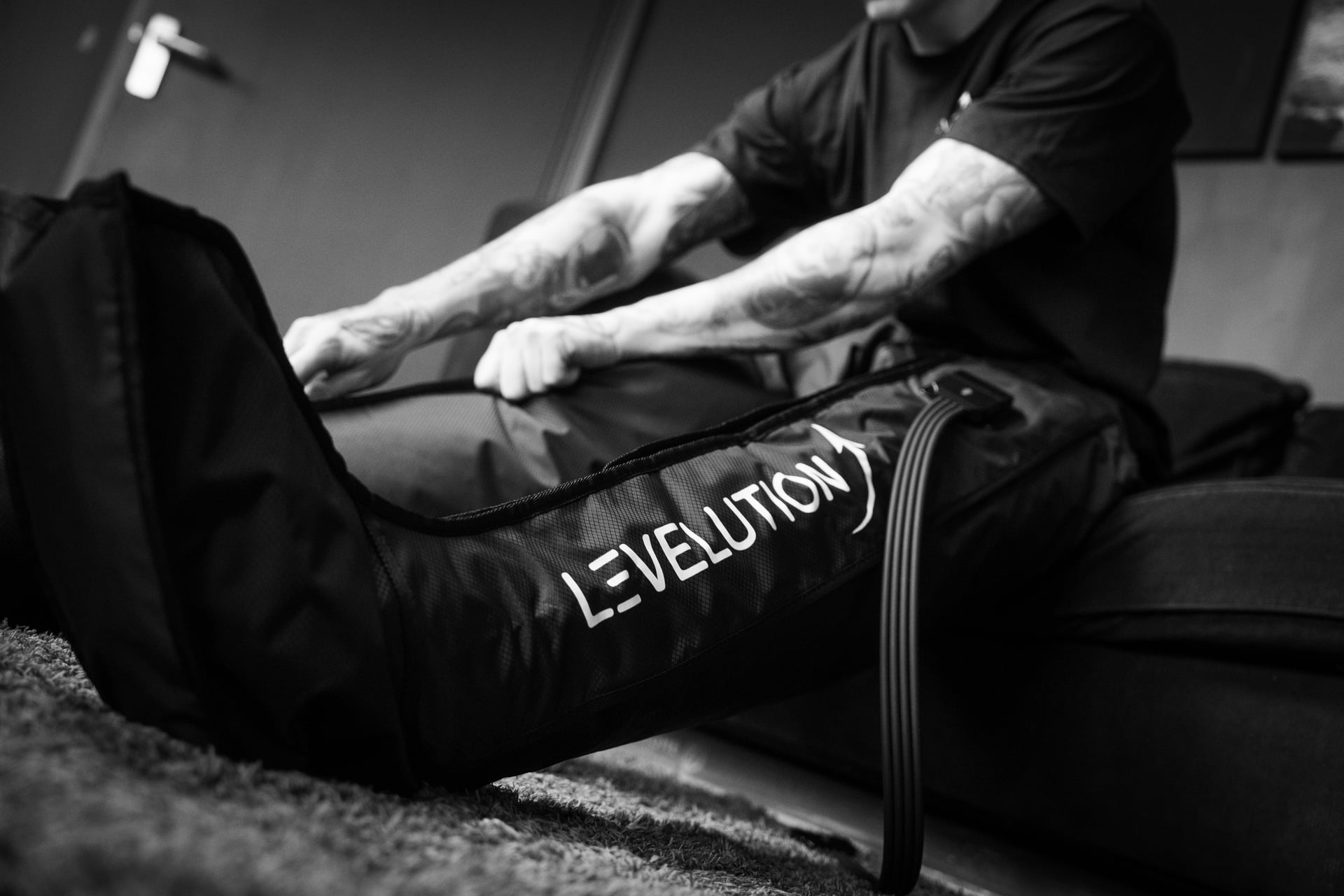
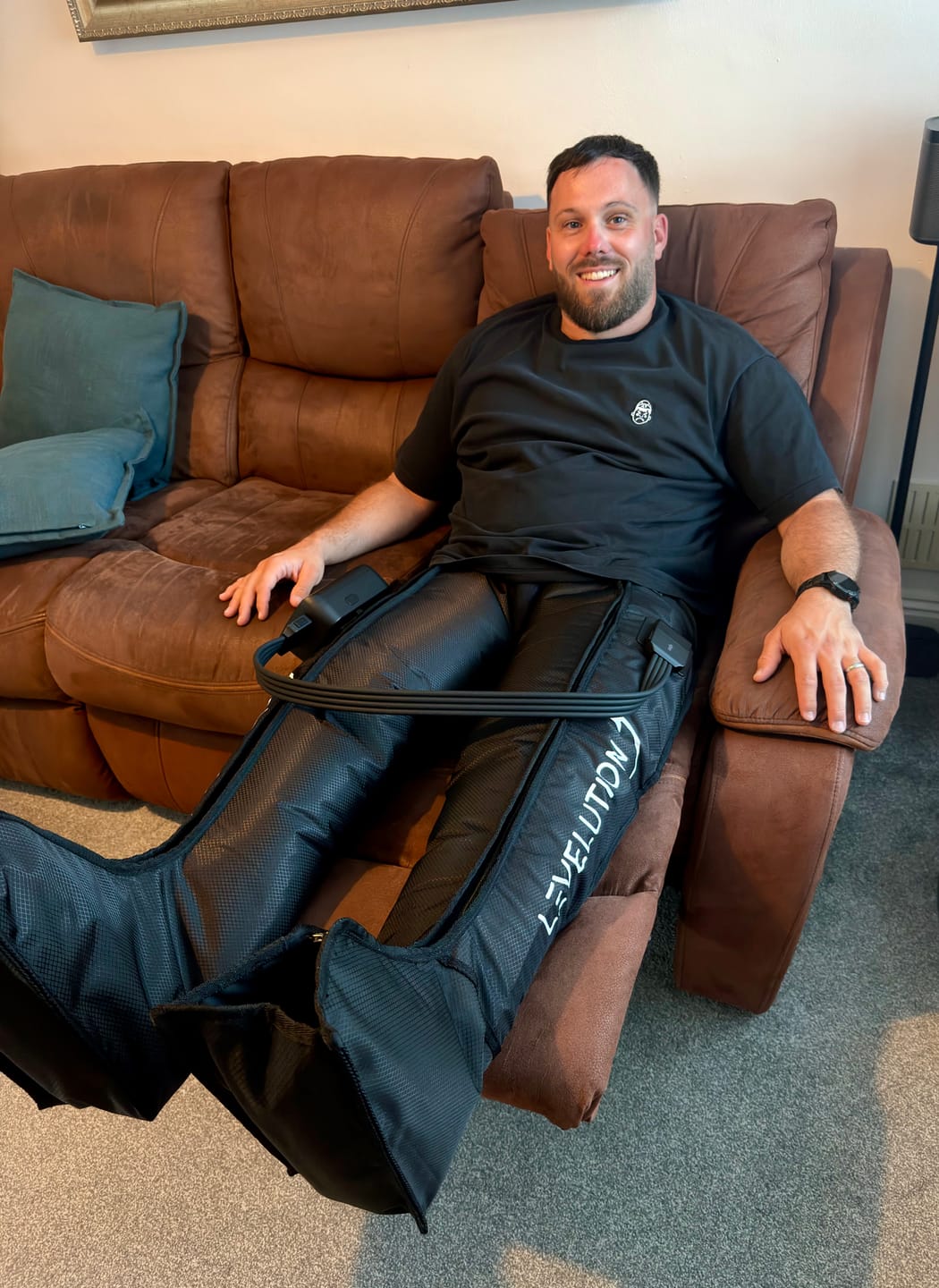
Whether you do dynamic stretching or use recovery equipment such as foam rollers, massage guns or compression boots, any recovery is good recovery to start you off.
This is how your recovery routine will really benefit you now:
-
Faster muscle repair: Intense training creates micro-tears in muscle fibres. Active recovery, compression, mobility work, and good quality sleep, speeds up the repair process so the next time you train or the next day when you wake up you don't feel like you're functioning at 70%.
- Reduced DOMS (delayed onset muscle soreness): Compression therapy in particular helps flush metabolic waste and improve circulation, which takes the edge off that feeling where your legs feel like concrete blocks.
- Better sleep quality: Good quality is the best form of recovery. Not only is it free which everyone does. It can really set you up for the day, helping you to repair muscles throughout the night. Good quality sleep will also improve your mood drastically so you don't feel your mood drop.
- More consistency. The single biggest driver of results isn't intensity, it's showing up and being consistent. Recovery is about helping you prepare for tomorrow to perform at your best, to help you improve more and more each day.
In short: If you really dial in on your recovery today you'll be able to perform at your best day in, day out. Recovery isn't just physically, but also mental. If you recover and sleep well, not only will your body feel the benefits, but so will your mind.
On the other hand if you just pick and choose when recovery suits you might find that you'll be a little sore for a day or two after you train.

5-10 Years Out: The Mid-Term Compounding Effect
This is where most people's recovery habits either start paying off from prioritising recovery from a few years before, or this is where the "little niggles" from before start to become more apparent.
You may be in this boat in your 30's or 40's and have a little wear and tear. This is how recovery can really help you:
- Injury prevention becomes apparent: Every niggle you don't manage properly now can lead to serious consequences. The tendon issue, the chronic knee pain, or the back problem that shows up, has the potential to leave you side-lined for period of time. Athletes who build recovery into their routine early tend to have far fewer of these "out of nowhere" injuries later, because they were never really out of nowhere. Think back to when we mentioned about Cristiano Ronaldo still playing football into his 40's.
- Joint and connective tissue health: Tendons and ligaments adapt far slower than muscle. Consistent recovery practices help protect these important parts of the body. When tendons and ligaments either snap or tear not only is this excruciating. A significant injury like this will keep you out of the game for months, but your performance after recovery could well take a hit.
- Sustained performance, not just short bursts: If you are someone that has taken recovery very serious you can very easily tell. Your body will still feel fresh as well as your performance will still be at a very high level with continuous progression. Lets flip it the other way around, someone that hasn't taken recovery serious. Constantly in pain with niggles and aches. The lower back , and knee pain are very common.
This is the point where you can tell those that have invested into recovery and who has not. The people that have invested will always be moving so much more freely. For those that haven't prioritised recovery, not only will be in constant pain. Bank balances will be taken a hit from all the chiropractor, massage therapist and physio sessions.

Long-Term: Recovery as an Investment in the Person You'll Be at 50+
This is the timeline nobody trains for, but it's the one that matters most. This is the part can still run around the garden with your grand kids, or you physically roll out of bed in the morning.
- A body that still lets you do the things you love: One of the key things everyone wants when they get older is to still be moving freely pain free. We're not on about lifting heavy weights, or even doing crazy fitness challenges. We mean being able to really enjoy that quality time with the family outdoors without that knee pain, hip pain or back pain.
- Lower risk of chronic pain conditions: Poor recovery habits compound into arthritis, chronic inflammation, and long-standing pain patterns. Managed recovery reduces that cumulative inflammatory load over a lifetime.
- Preserved muscle mass: Muscle loss with age is inevitable to a degree, but the people who recover well throughout their lives retain far more strength and muscle into their later decades, because they were never forced into long layoffs from injury or overtraining.

The Bottom Line
Recovery isn't the thing you do after the work. It's the thing that decides whether the work you're putting in now is still paying off in ten, twenty, or fifty years.
Short term, it gets you back in the gym tomorrow. Mid-term, it keeps you injury-free and progressing. Long-term, it's the difference between managing pain at 65 and still moving the way you want to.
Recover like your future depends on it. Because it does.
Check out what we have we have to offer and start your recovery journey today:


Leave a comment
This site is protected by hCaptcha and the hCaptcha Privacy Policy and Terms of Service apply.