What is DVT?
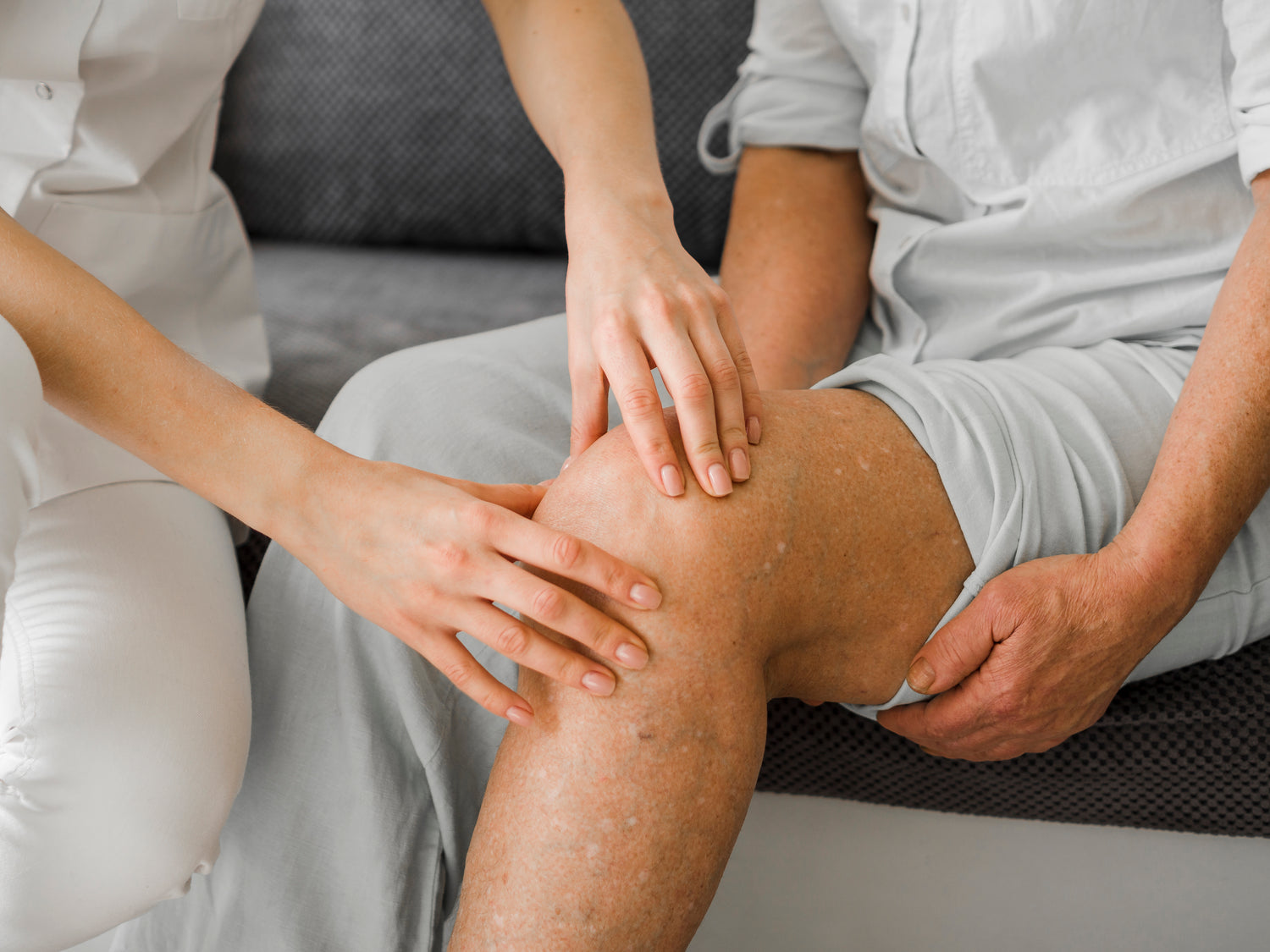
Deep Vein Thrombosis or DVT for short occurs when a blood clot is formed in deep veins inside the body, usually located in the thigh or lower leg. DVT can cause a lot of severe pain and swelling making life extremely uncomfortable for the recipient. A negative blood flow through the body can have an increasing effect on getting DVT.
Signs and Symptoms
Some of the most common signs and symptoms are the following:
- Swelling in your leg or arm on one side
- Pain or tenderness in your leg or arm
- Discoloured or red skin
- Warmth in the area that is painful or swollen
Who can be affected by DVT
There are quite a variety of ways that people can be affected by DVT this includes:
- Being pregnant or recently have delivered a baby
- Recently had surgery and immobile for a period of time
- Cancer and having certain treatments like chemotherapy
- Being overweight or obese
- Being over the age of 40
- Health conditions or injuries preventing movement
- Smoking
- Having high blood pressure
How to reduce chances of DVT
As you are well aware of now a lot of people can be prone to getting DVT. Many circumstances are unfortunately and completely out of people’s control. You might be reading this and thinking this is relating to you or someone that you know.
A few ways that you can rapidly reduce the chances of getting DVT such as eating a healthy diet, staying as mobile as possible and the use of compression boots.
Why do these matter?
Healthy Diet:
Having a healthy diet is super important as obesity, diets high in saturated fats and sugars can more than double the chances of obtaining DVT.
Obesity creates extra pressure on the legs and in particular on the leg veins. This could then lead to higher chances of getting varicose veins which has the possibility to cause discomfort and severe blood clotting.
Staying Mobile:
Staying mobile helps to keep the blood flowing around the body, this is a key fundanmental factor to prevent any pooling and clotting oin the veins. People that are immobile for periords time have a higher risk of getting DVT. This is where the form of compression therapy could play a huge role from stopping that from happening.
Use Of Compression Boots:
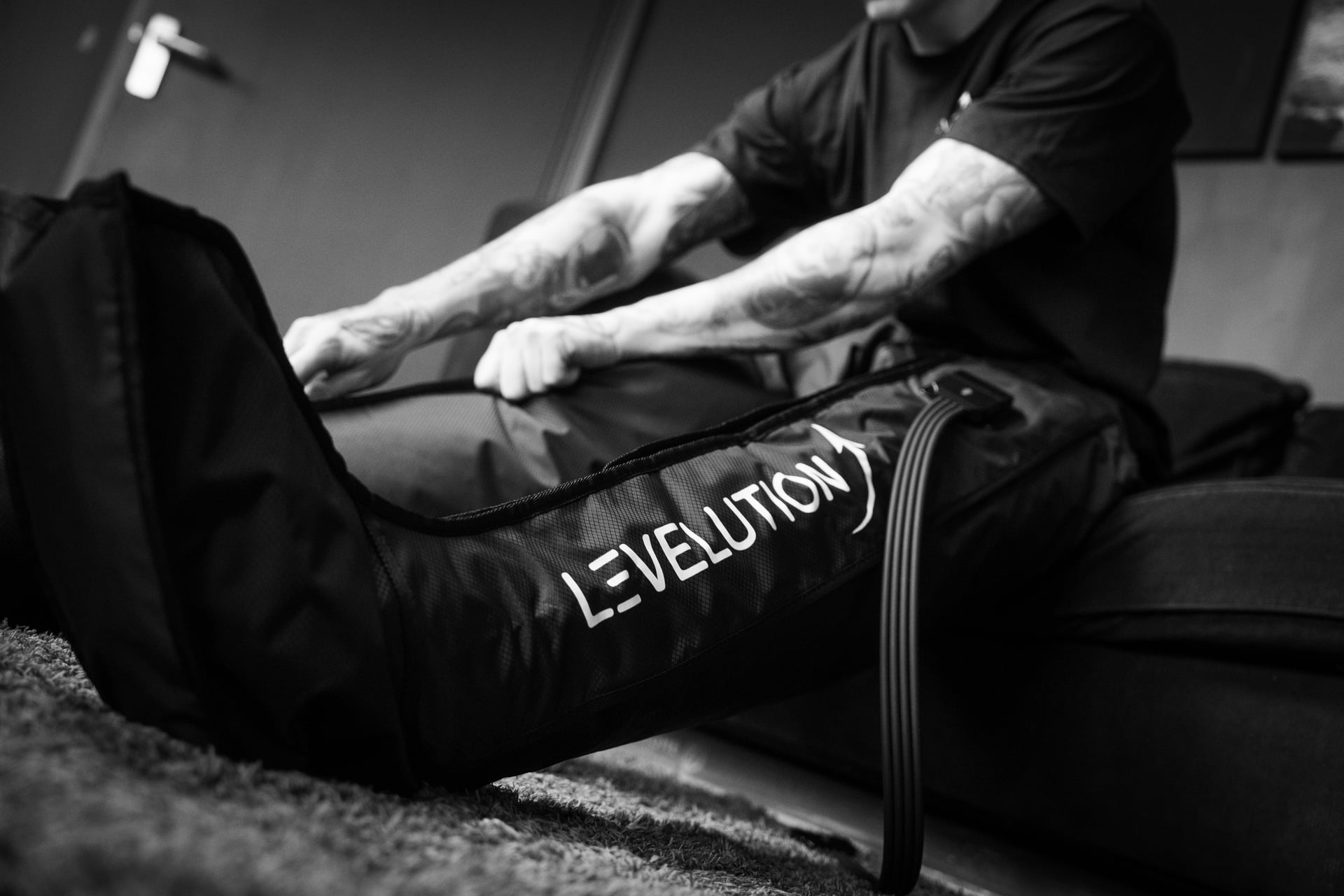
One of the main benefits for the use of compression boots is the positive impact of increased blood flow. When compression boots are filled up with air and compressed against the legs they mimic the body's natural muscle pump to enhance blood circulation around the body. The pressure of the compression boots physically forces excess fluid away from swollen areas to support lymphatic drainge.

How to treat DVT
Treatment for DVT aims to keep a clot from growing, breaking off or reduce the risk of another clot forming. Treatments can include medications, compression stockings or even elevating the affected legs. (This would be under instructions from your GP)
Treatments could include:
- Blood thinners
- Medication to break up clots
- Compression stockings
- Compression boots (post surgery)
Are recovery products beneficial?
Recovery devices such as compression boots can be very beneficial for people that have a risk of getting DVT. Compression boots help promote healthy blood flow around the body, along with helping dramatically reduce the swelling affected areas. Increasing the blood flow around your body helps to dramatically decrease the chances of getting DVT.
For someone who currently has DVT it is urged not to use recovery products such as compression boots, as it may dislodge a clot from the vein, which could have severe consequences.
Summary
Deep Vein Thrombosis can affect a lot of different people, so minimising the risk of getting DVT is crucial. Eating healthy, staying as mobile as possible, or the use of compression technology gives anyone a fighting chance to prevent DVT as a whole.

Leave a comment
This site is protected by hCaptcha and the hCaptcha Privacy Policy and Terms of Service apply.